

Understanding the psychological drivers behind gambling behaviors
The Allure of Gambling: What Draws People In
Gambling is a multifaceted activity that captivates millions worldwide, largely due to its exhilarating nature. The thrill of potentially winning big can lead to heightened excitement, making players feel a rush that is often addictive. This excitement stems from the brain’s reward system, where dopamine is released during wins or even anticipated wins, creating a pleasurable sensation that can be hard to resist. The combination of risk and reward plays a crucial role in attracting individuals to gambling, even when the odds may not favor them. Many enthusiasts enjoy exploring various options at a payid casino, where they can experience top-notch games and features that heighten their gaming adventure.
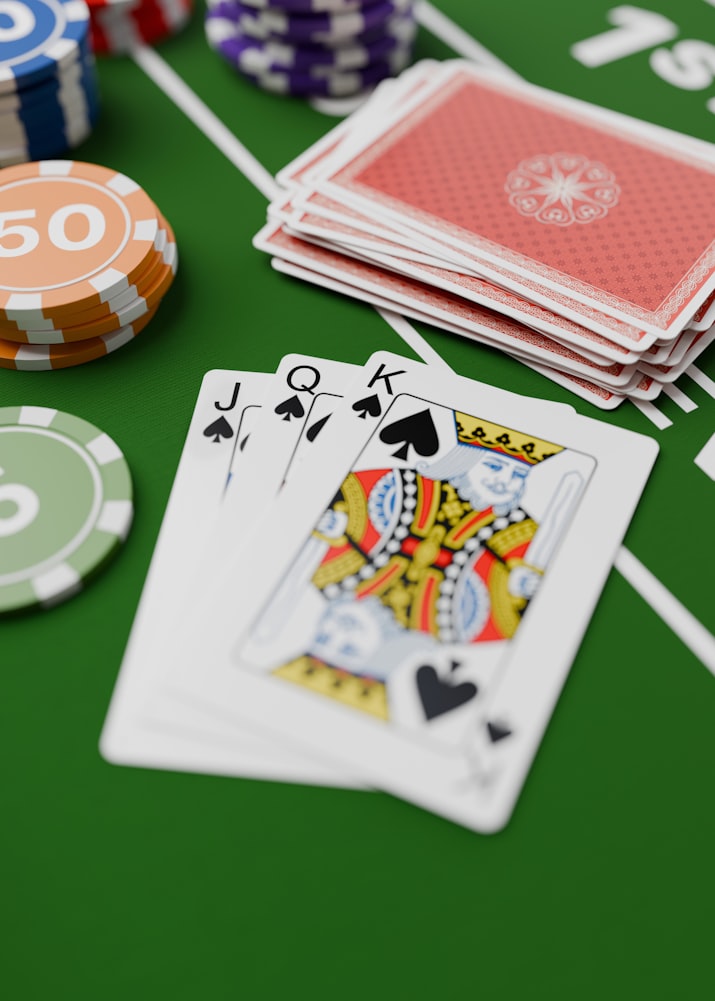
Moreover, the social aspects of gambling can enhance its appeal. Many individuals enjoy the camaraderie found in casino environments or online gaming platforms, where they can share experiences and strategies with others. This communal aspect can foster a sense of belonging and encourage individuals to participate more, as they feel part of a larger social group. The interaction not only amplifies enjoyment but also reinforces the habit, making it difficult to step away even when one is aware of the potential downsides.
Lastly, the ease of access to gambling options, especially with the rise of online casinos, plays a significant role in people’s engagement. With just a few clicks, individuals can explore various games, often with enticing promotions and bonuses. This convenience lowers barriers to entry, enticing people to gamble more frequently. The combination of instant gratification and social interaction often leads to increased gambling behaviors, making it crucial to understand these psychological drivers.
The Role of Cognitive Biases in Gambling
Cognitive biases are systematic patterns of deviation from norm or rationality in judgment, and they heavily influence gambling behaviors. One prominent example is the illusion of control, where individuals believe they can influence outcomes in games of chance, such as dice rolls or card draws. This belief can lead players to engage more frequently, thinking they have a greater chance of winning than they actually do. Such biases can distort an individual’s perception of risk, pushing them further into gambling habits.
Another significant cognitive bias is the gambler’s fallacy, which is the erroneous belief that past events can influence future outcomes in random games. For instance, if a player has experienced a series of losses, they may believe that a win is due. This flawed logic can lead to chasing losses, where individuals continue to gamble in hopes of recouping previous losses, often leading to increased financial strain and deeper gambling addiction.
Additionally, confirmation bias further exacerbates the issue. Gamblers often seek out information or experiences that affirm their beliefs about winning while ignoring evidence to the contrary. For instance, they may focus on the few wins they have had while disregarding numerous losses. This selective attention reinforces their gambling behaviors, perpetuating a cycle that is hard to break. Understanding these cognitive biases is essential in addressing gambling behaviors and promoting healthier decision-making.
Emotional Factors and Gambling
Emotions play a pivotal role in driving gambling behaviors. Many individuals turn to gambling as a means to escape stress, anxiety, or other negative emotions. The escapism offered by gambling can provide temporary relief, making it an appealing outlet for managing difficult feelings. Unfortunately, this emotional coping mechanism can lead to problematic gambling habits, as the temporary high can quickly turn into a cycle of dependency.
Additionally, feelings of excitement and anticipation during gambling sessions can create a rush that individuals come to crave. The unpredictable nature of gambling—where outcomes can change rapidly—adds to the thrill, reinforcing the connection between gambling and intense emotional experiences. When individuals win, the emotions can swing to euphoric highs, while losses can lead to feelings of disappointment or even despair. This emotional rollercoaster can create a dangerous cycle of chasing highs through increased gambling.
Moreover, the way individuals process and handle their emotions can significantly impact their gambling behaviors. Those with lower emotional regulation may be more likely to gamble as a means of self-soothing. Understanding the intricate relationship between emotions and gambling is vital in developing effective interventions and support mechanisms for those affected by problematic gambling behaviors.
Environmental Influences on Gambling Behavior
The environment in which individuals gamble can significantly affect their behaviors and decisions. Factors such as the ambiance of a casino, promotional tactics, and peer influences can all impact the gambling experience. For instance, the design of casinos often aims to create an engaging and stimulating environment, using lighting, sounds, and rewards to entice players. This strategic design can prolong gambling sessions, as players become absorbed in the experience.
Moreover, marketing strategies employed by gambling platforms can also heighten engagement. Promotions that offer free spins or bonuses create a sense of urgency, encouraging players to gamble more to take advantage of these deals. Advertisements often glamorize the lifestyle associated with gambling, showcasing successful individuals who have won significant amounts. This portrayal can lead individuals to underestimate the risks involved, further driving gambling behaviors.
Lastly, social norms and peer behavior can heavily influence individual gambling habits. When individuals are surrounded by friends or family who gamble, they may feel a pressure to conform, leading to increased participation. The normalization of gambling within certain social circles can make it more appealing and socially acceptable, which can, in turn, lead to increased frequency and duration of gambling activities. Acknowledging the various environmental factors is crucial in understanding gambling behaviors and implementing effective prevention strategies.

Resources and Support for Responsible Gambling
For those looking to engage in gambling responsibly or seeking help for gambling-related issues, numerous resources are available. Many organizations provide support and guidance for individuals struggling with gambling addiction. These resources can include hotlines, counseling services, and support groups that create a safe space for sharing experiences and finding help. Understanding one’s triggers and establishing limits can be the first steps toward healthier gambling habits.
Additionally, educational resources aimed at informing individuals about the risks associated with gambling can empower players to make better choices. Online platforms and local organizations often provide seminars and workshops designed to promote awareness of responsible gambling practices. By spreading knowledge about the psychological factors and risks associated with gambling, these initiatives can help individuals make informed decisions.
Ultimately, fostering a culture of responsible gambling is essential in mitigating the negative impacts of gambling behaviors. Collaboration between gaming institutions, mental health professionals, and the community is vital in creating a safer environment where individuals can enjoy gambling without falling into problematic patterns. By prioritizing education and support, we can work towards a healthier relationship with gambling.

