

Understanding the signs How to recognize gambling addiction early
What is Gambling Addiction?
Gambling addiction, also known as compulsive gambling, is characterized by an uncontrollable urge to gamble despite the harmful consequences. It can affect individuals of all backgrounds and can manifest through various forms of gambling, including sports betting, casino games, and online gambling. This addiction can lead to severe financial problems, strained relationships, and mental health issues. Understanding what gambling addiction is can help in identifying it early and seeking the necessary support. If you’re interested in exploring online platforms, you might want to check out 4 rabet for gaming options.
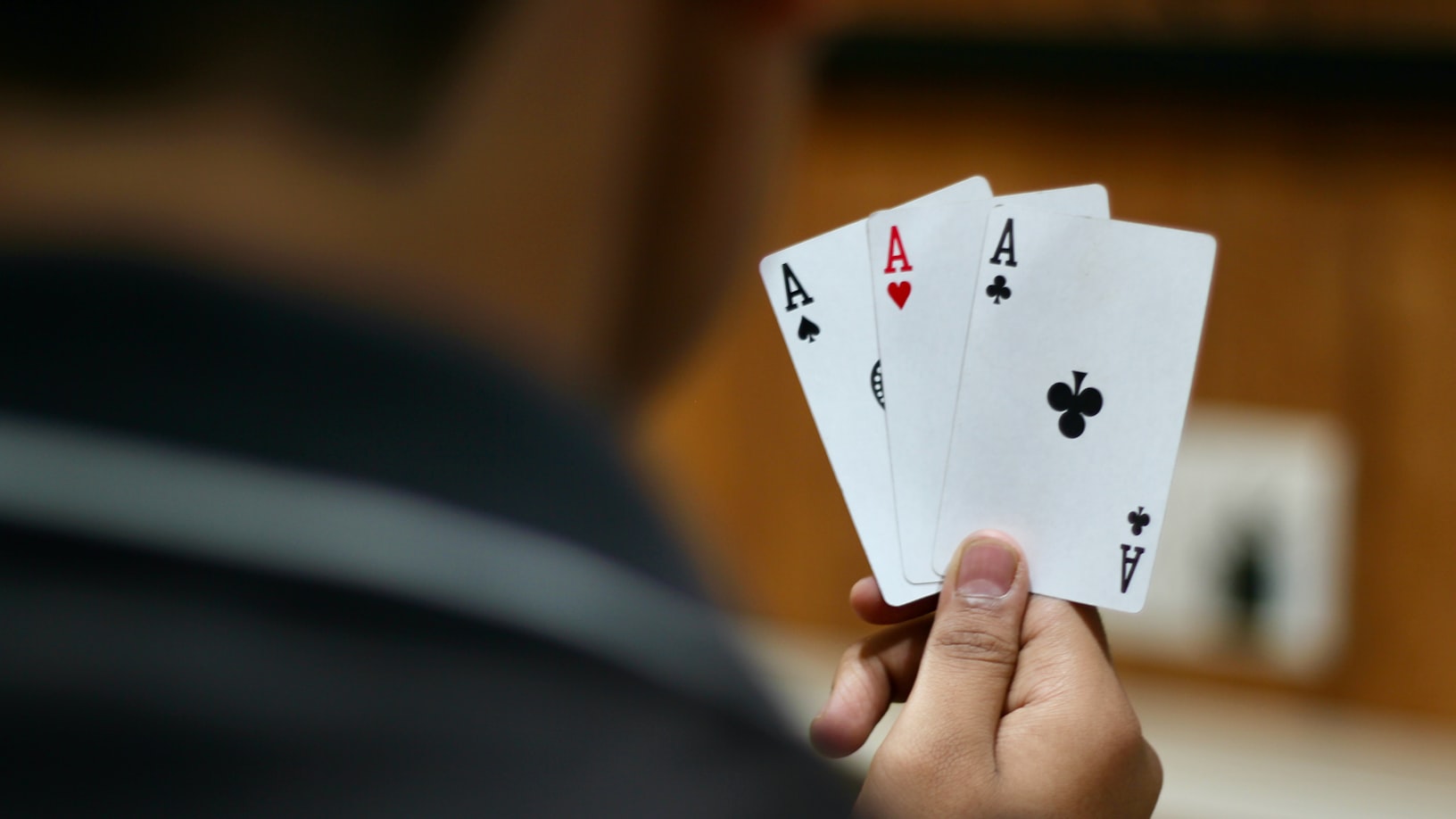
The nature of gambling addiction is often shrouded in denial. Many individuals may believe they can stop anytime or that their gambling is merely a form of entertainment. However, this mindset can perpetuate the cycle of addiction. The lure of winning can overshadow the potential for loss, leading individuals deeper into a spiral that is difficult to escape. Recognizing the psychological and emotional components of gambling addiction is crucial for early intervention.
Gambling addiction is often associated with other mental health disorders such as anxiety and depression. The compulsive gambler may turn to gambling as a coping mechanism to deal with stress or emotional pain. This dual relationship between gambling addiction and other mental health issues emphasizes the need for awareness and a proactive approach to treatment. Identifying gambling addiction early on can be the key to recovery and restoring balance in one’s life.
Common Signs of Gambling Addiction
Recognizing the signs of gambling addiction is crucial for intervention. One of the most prevalent signs is the inability to control gambling behavior. Individuals may find themselves spending more time and money on gambling than they initially planned, leading to financial strain. This can manifest as increased borrowing, neglecting financial responsibilities, or chasing losses to recoup money that has been lost, which only exacerbates the situation.
Another significant indicator is the emotional connection to gambling. If gambling becomes a primary source of excitement or a way to escape from everyday life, it can indicate a deeper issue. Compulsive gamblers often experience heightened moods when winning but can also face significant despair and anxiety when losing. This emotional rollercoaster can lead to further isolation and the deterioration of relationships with friends and family.
Lastly, secretive behavior is another common sign of gambling addiction. Individuals may hide their gambling activities or lie about their gambling habits to loved ones. This secrecy often results in increased feelings of shame and guilt, further entrenching the addiction. If someone you know exhibits these behaviors, it may be time to approach the situation with concern and compassion, encouraging them to seek help.
The Impact of Gambling Addiction
The effects of gambling addiction can be devastating, not just for the individual but for their loved ones as well. Financially, gambling addiction can lead to significant debt, bankruptcy, and loss of savings, often causing stress within households. This financial instability may result in lost opportunities for education, housing, and essential life experiences. Understanding this impact can highlight the importance of early recognition and intervention.
Socially, individuals suffering from gambling addiction often experience isolation and the breakdown of relationships. Friends and family may distance themselves due to the stigma surrounding gambling addiction or the emotional burden that comes with it. This isolation can lead to feelings of loneliness and depression, further perpetuating the cycle of addiction. It’s essential to recognize that gambling addiction is not just a personal issue but a societal one that affects those around the individual.
Furthermore, gambling addiction can have severe mental health implications, including anxiety, depression, and increased risk of suicide. The distress caused by the gambling behavior can lead to overwhelming feelings of hopelessness. Early intervention and access to mental health resources can be life-changing and critical in breaking this cycle. Supporting individuals in finding help is essential for not just their recovery, but for the well-being of their loved ones as well.
Steps to Take if You Recognize Gambling Addiction
If you suspect that you or someone you know is struggling with gambling addiction, the first step is to acknowledge the issue. Denial often hinders recovery, so having an open and honest dialogue about gambling behaviors is crucial. It’s important to approach the topic with empathy and understanding, emphasizing support rather than judgment. Creating a safe environment for discussion can encourage individuals to express their struggles without fear.
The next step is to seek professional help. Many organizations and therapists specialize in gambling addiction treatment. These resources can provide counseling, support groups, and educational materials to aid in the recovery process. Treatment options can vary, including cognitive behavioral therapy, which addresses the thought patterns associated with gambling, or support groups that foster a sense of community among individuals facing similar challenges.
Lastly, creating a support network is vital for recovery. Friends and family members can play a significant role in the healing process by providing emotional support and understanding. Encouraging participation in healthier activities, such as sports or hobbies, can help redirect the focus away from gambling. Developing new interests and connections can foster a more balanced lifestyle and significantly contribute to recovery.
Conclusion and Resources
Understanding the signs of gambling addiction early is essential for intervention and recovery. By recognizing the common signs, such as financial strain, emotional dependence, and secrecy, individuals can take proactive steps toward seeking help. The impact of gambling addiction extends beyond the individual, affecting relationships and mental health, making it even more crucial to address the issue early.
If you or someone you care about is struggling with gambling addiction, numerous resources are available to provide support. Seeking help from professionals and joining support groups can make a significant difference in the recovery journey. Remember, acknowledging the problem is the first step to finding a path to healing and regaining control over one’s life.

